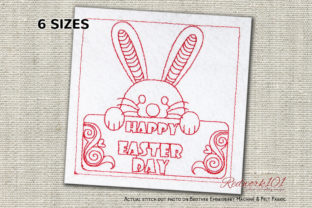
Happy Easter Redwork: A Designer’s Review
First Impressions of the Happy Easter Lineart Style
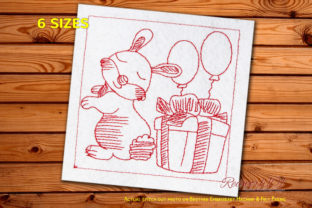
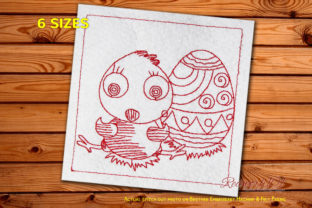
As an embroidery designer who spends countless hours digitizing and testing files for my own personalized gift shop, I approach every new machine embroidery design with a critical eye. When I first loaded the Happy Easter Redwork file into my software, my immediate reaction was one of appreciation for its classic charm. Redwork is a timeless technique that relies on simple, elegant lineart rather than dense fill stitches, and this design captures that aesthetic perfectly. The mood is undeniably sweet and nostalgic, evoking memories of vintage linens and heirloom keepsakes. It feels handmade and intentional, which is exactly what today’s buyers are seeking when they look for meaningful seasonal decor.
For Etsy sellers and small business owners, this style is a strategic asset. Because it is lineart-based, the design has a light stitch density that makes it incredibly versatile. It does not feel heavy or bulletproof on delicate fabrics, allowing it to maintain the drape and softness required for high-end baby products and lightweight apparel. The emotional appeal here is strong; it bridges the gap between traditional holiday crafting and modern minimalist aesthetics, making it suitable for both older customers who appreciate heritage crafts and younger parents decorating a nursery.
Real-World Applications for Personalized Gifts
In my shop planning sessions, I always map out how a design will translate across different product categories. The Happy Easter Redwork design shines brightest when applied to items where texture and fabric quality matter. For baby embroidery, this is a top-tier choice. I envision this stitched in a soft rose or sage green thread on a muslin swaddle blanket or a cotton bib. Because redwork lacks heavy underlay and dense satin columns, it remains gentle against sensitive skin, addressing a primary concern for parents purchasing personalized gift items for infants.
Beyond the nursery, this design is exceptionally well-suited for kitchen and home textiles. An embroidered towel featuring this lineart looks sophisticated rather than kitschy. Unlike cartoonish Easter designs that can cheapen the perceived value of a product, the elegance of redwork elevates a simple flour sack towel into a boutique-worthy item. For wedding gift designers, consider using this motif on a pillow cover or a linen napkin set for a spring wedding. The lineart style pairs beautifully with script monograms, allowing you to create a custom bundle that feels cohesive and expensive.
For craft fair vendors and digital product sellers, the versatility extends to tote bags and aprons. The open nature of the design means it stitches out quickly, improving your profit margin on physical goods while maintaining a high perceived value. If you sell the digital embroidery file itself, be sure to highlight its compatibility with multiple machine formats, as this broadens your potential customer base significantly.
Navigating Fabric Choices and Technical Limitations
While I am enthusiastic about this design, professional integrity requires me to discuss where caution is necessary. Redwork is unforgiving on certain substrates because the running stitches must remain crisp to define the image. I would advise against using Happy Easter Redwork on thick terry cloth towels or high-pile fleece without significant modification or a water-soluble topper. The loops of the fabric can swallow the delicate lines, resulting in a lost design and a frustrated customer. Similarly, stretchy baby clothes like ribbed knit onesies present a challenge; the fabric movement can distort the precise geometry of lineart unless you use a cut-away stabilizer and hoop with extreme care.
Dark fabrics also require careful consideration. Traditional redwork uses a single thread color, typically red or a contrasting dark shade. On navy or black fabric, ensure your thread contrast is high enough to be visible in product photography and in person. Low-contrast stitching often photographs poorly, which can hurt engagement on social media platforms. Furthermore, if you are creating items intended for frequent washing, such as aprons or baby blankets, verify that your thread type is colorfast. Redwork shows wear differently than filled designs; a broken line is more noticeable than a missing stitch in a satin column.
Elevating Perceived Value and Customer Trust
The decision to use Happy Easter Redwork in your lineup directly impacts how customers perceive your brand. In a market saturated with overly complex, dense embroidery, a clean lineart design signals confidence and refinement. It tells the buyer that you understand fabric dynamics and value subtlety. This builds trust, especially for wedding gift shoppers who are wary of tacky customization. When photographing this design for your listings, avoid flat lay shots alone. Show the design draped over a basket or held in hands to demonstrate the flexibility of the stitch-out. This proves to the buyer that the finished product is soft and usable, not stiff and board-like.
For those selling printable mockups or digital previews, the simplicity of this design allows for easy recoloring in editing software. You can show the same design in pastel yellow for a baby shower listing and deep burgundy for a fall farmhouse listing, maximizing the utility of a single purchase. This adaptability is crucial for maintaining fresh inventory without constantly buying new assets.
Essential Testing Notes for Makers
Before listing any product featuring Happy Easter Redwork, please adhere to these practical testing protocols. First, always check the specific hoop size requirements listed in the file description. Do not assume the design fits your smallest hoop just because it is lineart; resizing can alter stitch spacing and cause thread breaks. Second, test on scrap fabric that matches your final product’s weight and weave. A test on quilting cotton does not predict performance on linen or waffle weave.
- Stabilizer Selection: Use a tear-away for stable woven fabrics like flour sack towels, but switch to a lightweight cut-away for knits or stretchy materials to prevent puckering around the running stitches.
- Thread Tension: Lineart exposes tension issues immediately. Ensure your bobbin tension is balanced so no bobbin thread peeks through on the top side, which ruins the clean aesthetic.
- Color Contrast: Stitch a sample in your intended thread color on the actual garment fabric. What looks good on screen may lack definition in natural light.
- Licensing Verification: Before selling finished goods or the file itself, confirm the commercial licensing terms provided with the download. Protect your business by ensuring you have the right to monetize this specific asset.
- Small Detail Check: After stitching, inspect tight corners and small curves. If the needle perforates the fabric too closely in these areas, you may need to adjust the design scale slightly up to maintain structural integrity.
By treating Happy Easter Redwork with the technical respect it deserves, you transform a simple digital file into a cornerstone of your seasonal collection. Whether you are stitching a cherished blanket for a newborn or curating a line of elegant spring home decor, this design offers the perfect balance of tradition and versatility for the modern embroidery business.