Tropical Island Split Applique: A Designer’s Review
As an embroidery designer who spends countless hours testing digitized files before they ever touch a customer’s product, I approach every new machine embroidery design with a critical eye. When planning my upcoming summer collection for personalized gifts, the Tropical Island Split Applique immediately caught my attention. It promises that perfect blend of seasonal charm and customization potential that buyers crave. After running test stitches and evaluating its versatility for everything from baby embroidery to wedding keepsakes, here is my honest assessment of how this design performs in a real-world production environment.
First Impressions: Capturing the Beach Vibe
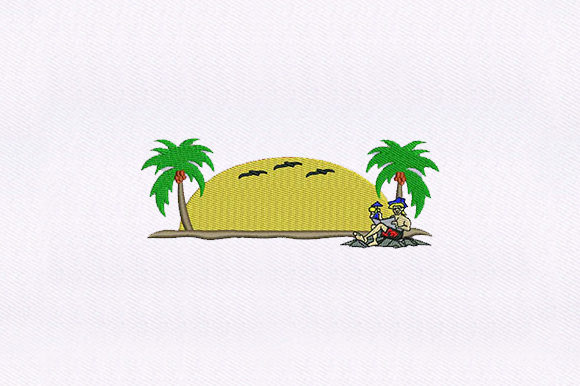
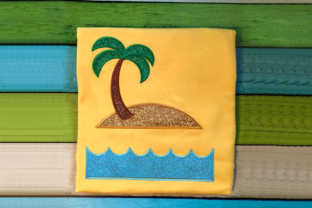
The moment you load this embroidery file, the mood is unmistakably cheerful. The design features a sandy tropical island anchored by a palm tree, with ocean waves providing a dynamic base. What makes this particular file stand out for commercial use is the intentional split space between the two elements. This isn't just a decorative gap; it is a functional canvas for personalization. As a designer, I appreciate when negative space is utilized purposefully rather than as an afterthought.
The aesthetic strikes a balance between playful and classic. It avoids being overly cartoonish, which means it can transition easily from a child’s nursery item to a sophisticated beach house pillow cover. The lines are clean, and the applique areas appear generous enough to accommodate various fabric textures without losing definition. For an Etsy seller or small shop owner, this visual versatility is crucial. You want a design that feels handmade and warm, not mass-produced or stiff. This Tropical Island Split Applique succeeds in evoking that sun-soaked nostalgia while maintaining professional digitizing standards.
Real-World Applications for Personalized Gifts
In my shop, I tested this design across three distinct categories to gauge its marketability as a personalized gift. The split space proved to be the star feature in each scenario.
- Baby and Nursery Items: For a baby blanket, the open area was perfect for stitching a first name in a soft, rounded font. The tropical theme works beautifully for summer-born babies or nursery decor with a coastal palette. The design size scaled down well without losing the integrity of the palm fronds.
- Wedding and Anniversary Keepsakes: Surprisingly, this design translates elegantly for destination weddings. We used the split space to stitch "The Smiths" and an establishment date on a linen tote bag. The result felt romantic yet relaxed, ideal for beachside ceremonies or honeymoon gifts.
- Home Decor and Towels: On an embroidered towel, the design served as a vibrant focal point. The wave element at the bottom grounds the composition, making it look intentional even when placed above the hemline. For kitchen towels or aprons, adding family names like "Beach House 2024" creates instant emotional connection and perceived value.
For digital product sellers offering custom embroidery services, this file allows for rapid mockup creation. Because the layout is balanced, creating a printable mockup or digital preview for client approval is straightforward, reducing back-and-forth communication time.
Navigating Fabric Challenges and Technical Limits
While the Tropical Island Split Applique is versatile, experienced makers know that no design is universally bulletproof. During testing, I identified specific scenarios where caution is required to ensure a high-quality finished product.
Text Legibility and Scale
The split space is generous, but it has limits. If you are stitching on a small hoop size, resist the urge to cram too much text into that gap. Small lettering can become illegible if the stitch density is too high or the font is too thin. Always test your chosen font height on scrap fabric first. For items like baby onesies where space is limited, consider using initials instead of full names to maintain clarity.
Fabric Texture and Stabilizer Choices
Applique designs rely heavily on the interaction between the top fabric and the base material. When working with thick terry cloth for towels or plush minky for blankets, the texture can swallow delicate details. I recommend using a water-soluble topping to keep the palm tree fronds crisp. Conversely, on stretchy knits for baby clothes, a cut-away stabilizer is non-negotiable to prevent puckering around the island shape. Always match your stabilizer weight to the fabric texture; a lightweight tear-away simply won’t support this design on unstable fabrics.
Color Contrast and Dark Fabrics
This design relies on color blocking. On dark navy or black backgrounds, ensure your sand and wave thread colors have sufficient contrast. Low-contrast combinations can make the split space disappear visually, rendering the personalization hard to read. I always advise stitching a color chart test on the actual garment fabric before committing to a customer order. Lighting in product photography also matters here; what looks distinct in person might blend together in a photo if the contrast is too subtle.
Enhancing Perceived Value and Customer Trust
Why does this specific design matter for your business metrics? In the competitive world of handmade products, buyers are looking for evidence of quality. A well-executed Tropical Island Split Applique signals professionalism. Clean satin stitch edges on the applique, centered text in the split space, and appropriate thread tension all contribute to buyer confidence.
When listing this as a small shop product, emphasize the customization aspect in your description. Show photos of the design on multiple substrates—a pillow, a bag, and a blanket—to demonstrate versatility. Customers often struggle to visualize how a digital file translates to reality. By showing the design in context, you bridge the gap between imagination and purchase. Furthermore, because this design evokes specific memories (vacations, honeymoons, summer births), it carries an inherent emotional weight that generic monograms sometimes lack. This emotional connection is often what justifies a premium price point for commercial embroidery services.
Essential Pre-Production Checklist for Makers
Before you list this design or accept orders featuring the Tropical Island Split Applique, run through this practical checklist to protect your reputation and materials:
- Verify File Compatibility: The product includes 9 formats, but always confirm your machine reads the specific version you intend to use. Corrupt transfers can happen.
- Check Hoop Size Requirements: Do not assume this fits your standard 4x4 hoop. Measure the actual stitch field dimensions in your software before hooping expensive blanks.
- Test Stitch Density: Run a sample on scrap fabric similar to your final product. Check the back for excessive buildup or thread breaks, especially around the curve of the waves.
- Review Licensing Terms: If you are selling finished goods, double-check the commercial license included with the digital embroidery file. Ensure you are compliant regarding the number of units or attribution requirements.
- Mockup Accuracy: When showing clients previews, use realistic fabric textures in your software. Misrepresenting how the applique fabric interacts with the base can lead to returns.
- Wash Test: If selling items meant for frequent washing like baby bibs or kitchen towels, wash and dry your test piece. Ensure the applique fabric doesn't fray excessively and the text remains secure.
The Tropical Island Split Applique is more than just a seasonal novelty; it is a robust tool for creators who understand the intersection of technical precision and emotional storytelling. Whether you are fulfilling a custom wedding gift order or stocking your Etsy shop with summer-ready inventory, this design offers the flexibility and charm necessary to delight customers. Treat it with the respect due to any professional digitizing work—test thoroughly, stabilize correctly, and personalize thoughtfully—and it will undoubtedly become a staple in your embroidery repertoire.